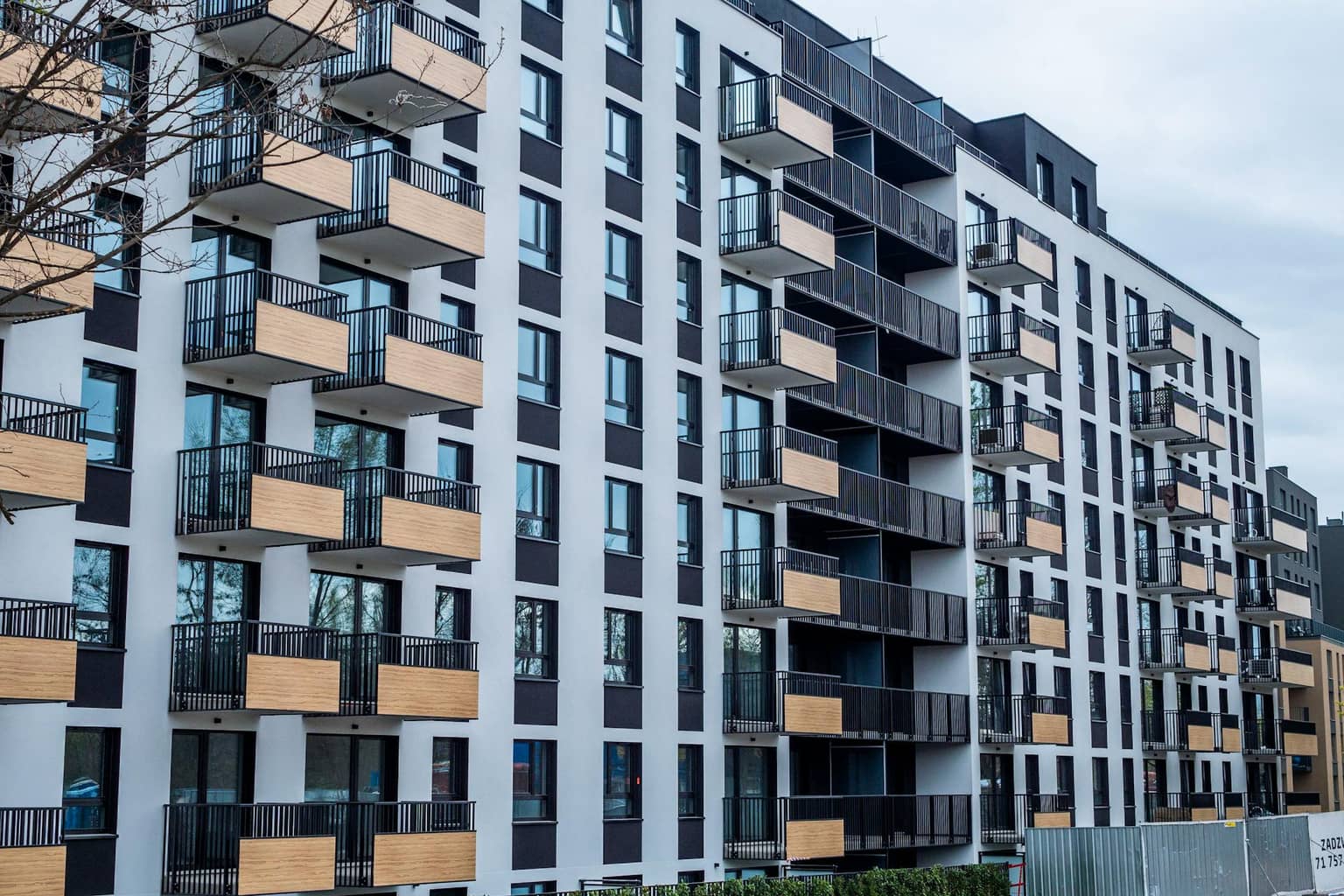
Investment Thesis.
Core Plus Multifamily.
A rental-housing thesis focused on durable demand, disciplined supply analysis, operator depth, and investor-aligned structure.
Author
Equity Check Research
Audience
Accredited Investors
Classification
Educational
Format
Research note
Housing need is durable. Returns still depend on the operator and the structure.
Core Plus Multifamily can provide current income and operating upside when the property, market, capital structure, and sponsor all withstand scrutiny. A strong demand backdrop is necessary. It is not sufficient.
The U.S. housing supply gap stood at 4.03 million homes at the end of 2025. That shortage supports the long-term need for well-located rental housing.
It does not make every apartment acquisition attractive. Price, leverage, submarket supply, property condition, rent assumptions, and operating competence still determine the outcome.
Our work begins with the sponsor and the structure: who gets paid, where the operator has a real edge, what can go wrong, and whether investors will receive the information needed to judge performance.
What we believe in this paper
- Housing scarcity supports rental demand, but supply and affordability must be tested locally.
- Operating depth matters because small execution decisions compound across a property.
- Alignment and reporting determine whether investors can evaluate the sponsor before and after the wire.
Equity Check Research
Investor First
andrew@equitycheck.com
The thesis rests on three structural pillars.
Durable housing demand
The national supply gap supports the need for rental housing, while local affordability and household formation determine where that demand is investable.
Operator depth
Core Plus outcomes depend on pricing, renovation discipline, leasing, expense control, maintenance, capital projects, and resident experience.
Investor-aligned structure
Fees, co-investment, leverage, downside exposure, governance, and reporting should make the sponsor's incentives and accountability visible.
A national shortage. A local investment decision.
The 4.03 million-home U.S. supply gap creates a durable need for housing, but the investment case must still be built property by property and submarket by submarket.
For-sale affordability can extend renter tenure and support apartment demand. The effect varies by income, price point, employment base, and competing supply.
We treat the national shortage as context rather than a substitute for local underwriting.
Supply is measured at the submarket level.
Deliveries, concessions, absorption, household growth, and rent-to-income pressure can differ materially within the same metro.
| Organization | Estimate | Method |
|---|---|---|
| Demand | Local | Households, jobs, affordability, migration |
| Supply | Submarket | Pipeline, deliveries, concessions, absorption |
| Asset | Property-level | Basis, condition, rents, expenses, capital plan |
Core Plus returns are operational.
The thesis requires a sponsor with a defined circle of competence and a repeatable operating system, not simply exposure to a favored geography.
Buy the right problem
The business plan should address observable operational gaps rather than depend on aggressive market appreciation.
Protect decision quality
Underwriting should show what happens when rents, occupancy, costs, rates, or exit timing differ from the base case.
Report what changed
Investors should receive financials, operating results, variances, material risks, and a clear explanation of management's response.
Growth markets, selected one submarket at a time.
Equity Check's current focus is garden-style Core Plus Multifamily in growth markets where the local demand case, supply pipeline, affordability, and operating plan can be evaluated together.
Growth-market garden style
Current focus
Demand profile
Employment, household growth, renter affordability, and competing housing supply should support the target resident base.
Property profile
Basis, physical condition, unit mix, amenities, deferred maintenance, and capital needs define the actual work.
Housing need supports the asset class. Discipline selects the investment.
The demand backdrop can be favorable while individual assets still disappoint. The role of underwriting is to separate the two.
Housing need
A persistent national supply gap supports the long-term need for professionally managed rental housing.
Affordability
The cost of homeownership can extend renter tenure, but the effect must be tested by submarket and income.
Operational upside
Capable operators can improve revenue, expenses, physical condition, and resident experience without relying solely on market rent growth.
Risk is not diversified away by the word multifamily.
Rates, leverage, supply, expenses, property condition, regulation, and operator execution can all impair outcomes.
Financing and valuation risk
Submarket supply risk
Operating and capital-plan risk
What makes one multifamily opportunity different from another?
Asset-class exposure is not the edge. The edge must appear in price, structure, operator competence, and accountability.
| Metric | Past | Present |
|---|---|---|
| Market thesis | Metro-level growth story | Submarket and price-point evidence |
| Business plan | Assumed rent growth | Specific operational work with downside cases |
| Sponsor relationship | Trust the presentation | Evaluate Alignment, Asymmetry, and Accountability |
Questions about the multifamily thesis
What is Equity Check's current multifamily focus?
Equity Check currently focuses on garden-style Core Plus Multifamily in growth markets, evaluated through sponsor alignment, operator depth, submarket supply, property-level underwriting, and transparent reporting.
Why does the housing supply gap matter for multifamily?
Realtor.com's 2026 Housing Supply Gap Report measured the national shortfall at 4.03 million homes at the end of 2025. That shortage supports the long-term need for rental housing, but it does not eliminate local supply, affordability, financing, or execution risk.
What creates an edge in Core Plus Multifamily?
The edge should come from acquisition basis, disciplined leverage, submarket knowledge, property-level operations, and a sponsor whose incentives and reporting make accountability visible.
What are the key risks?
Key risks include financing costs, leverage, valuation changes, new supply, concessions, operating expenses, property condition, regulation, and execution. Each opportunity should be evaluated under its governing documents and downside cases.

Evaluate the sponsor before the projection.
Current terms, minimums, properties, and availability are offering-dependent. Start with a short conversation about the strategy and the governing documents.